Transform Your Home Aesthetics with an Interior Designer in Tulsa
- Me Design
- Mar 10
- 3 min read


Creating a well-designed home involves more than choosing attractive furniture or paint colors. Interior design focuses on shaping spaces that are comfortable, functional, and visually harmonious. Professional designers analyze how each room is used and develop layouts that enhance daily living while maintaining a consistent style throughout the home.
Working with an interior designer in Oklahoma allows homeowners to transform ordinary rooms into thoughtfully planned environments that reflect their lifestyle and personal taste. Through a combination of creativity, technical knowledge, and spatial planning, designers help create interiors that balance aesthetics with practicality.
Understanding the Purpose of Interior Design
Interior design is a structured process that focuses on how people interact with their living spaces. Designers evaluate the layout of each room, study lighting conditions, and consider the overall architecture of the home before making recommendations.
An interior designer typically begins a project by understanding the homeowner’s preferences, functional needs, and long-term goals for the property. This process helps ensure that every design decision contributes to a comfortable and cohesive environment.
Design planning often includes analyzing:
Room proportions and spatial flow
Furniture placement and movement paths
Natural and artificial lighting
Color coordination and textures
Material durability and maintenance
By carefully studying these elements, designers can create interiors that feel balanced and purposeful rather than overcrowded or inconsistent.
Developing Functional Layouts
One of the most valuable aspects of interior design is improving how space functions. Many homes have rooms that feel cramped, underutilized, or poorly arranged. Designers examine how each area can be reorganized to improve movement and comfort.
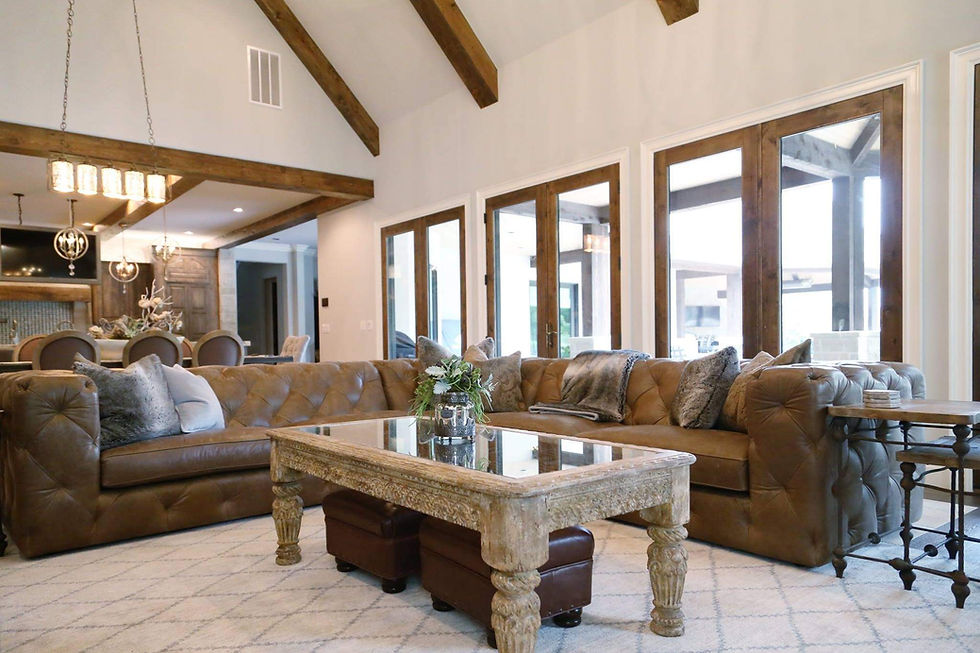
An experienced interior designer in Oklahoma focuses on optimizing the placement of furniture, storage, and decorative features so that the space feels open and organized. For example, adjusting seating arrangements in a living room can improve conversation flow, while repositioning storage units can make daily tasks more convenient.
Open concept layouts are often introduced to connect living areas, dining spaces, and kitchens. This approach allows natural light to travel across the home while creating a sense of spaciousness.
Thoughtful layout planning ensures that each room supports its intended purpose while maintaining visual harmony with surrounding spaces.
Choosing Materials and Textures
Material selection plays a critical role in interior design because it affects both appearance and durability. Designers consider the lifestyle of the household when recommending surfaces, fabrics, and finishes.
For example, homes with children or pets may benefit from durable flooring materials and stain-resistant upholstery. On the other hand, spaces designed for relaxation may incorporate softer textures and natural finishes that create warmth.
A professional interior designer in Oklahoma carefully combines materials such as wood, stone, glass, and metal to produce depth and visual interest. Layering textures through rugs, fabrics, and wall treatments also adds character to a room without overwhelming the overall design.
This careful balance ensures that interiors remain stylish while also standing up to everyday use.
Creating a Cohesive Color Palette
Color plays a major role in shaping the mood of a home. Interior designers use color theory to develop palettes that create balance and visual continuity across multiple rooms.
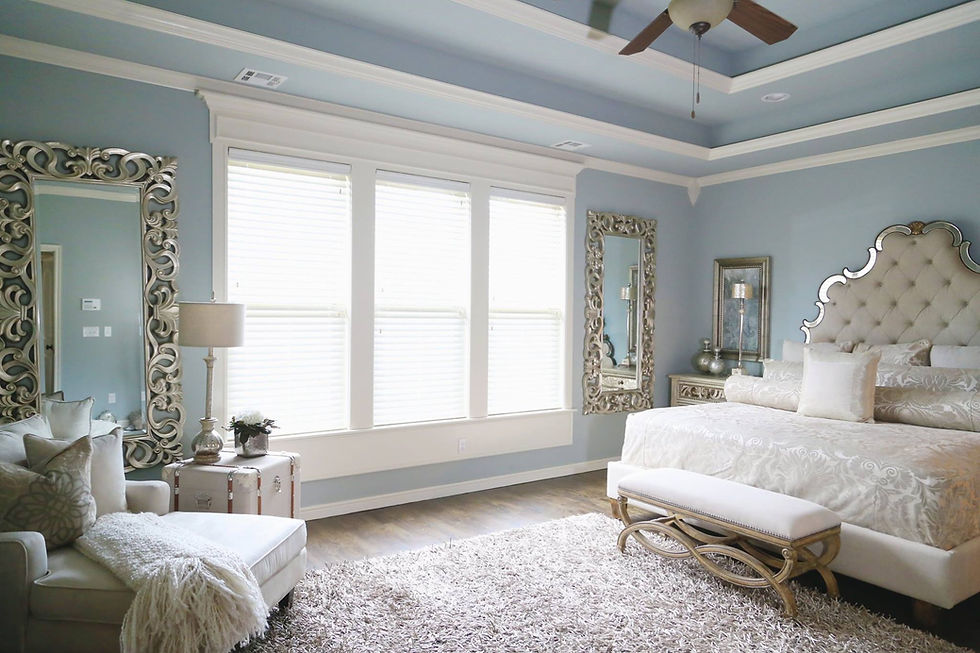
Neutral tones often serve as the foundation for many interiors because they provide flexibility and timeless appeal. Shades of beige, soft gray, and warm white allow furniture and decorative accents to stand out while keeping the overall design calm and inviting.
Accent colors are then introduced through artwork, textiles, and decorative objects. These subtle contrasts add personality without disrupting the overall harmony of space.
When guided by an interior designer in Oklahoma, homeowners can achieve color combinations that enhance natural lighting and complement the architectural features of their home.
Enhancing Lighting and Atmosphere
Lighting is one of the most influential elements in interior design. Proper lighting improves visibility, highlights architectural features, and shapes the atmosphere of a room.
Designers typically incorporate three layers of lighting:
Ambient lighting provides general illumination throughout the room. Task lighting supports specific activities such as reading or cooking. Accent lighting highlights decorative features like artwork or textured walls.
By blending these lighting types, designers can create interiors that feel comfortable during both daytime and evening hours. Natural light is also carefully considered, with window treatments and reflective surfaces used to enhance brightness throughout the space.
Bringing Design Vision to Life
Interior design in Oklahoma combines creativity with practical planning. From layout adjustments to material selection and lighting design, every element contributes to the overall experience of the space.
Through thoughtful design strategies, homeowners can transform interiors into environments that support comfort, efficiency, and visual harmony. Professional guidance helps ensure that each decision contributes to a cohesive and carefully crafted home interior.
Comments