How an Interior Design Firm in Tulsa, Oklahoma, Matches Flooring to Style
- Me Design
- May 19
- 3 min read

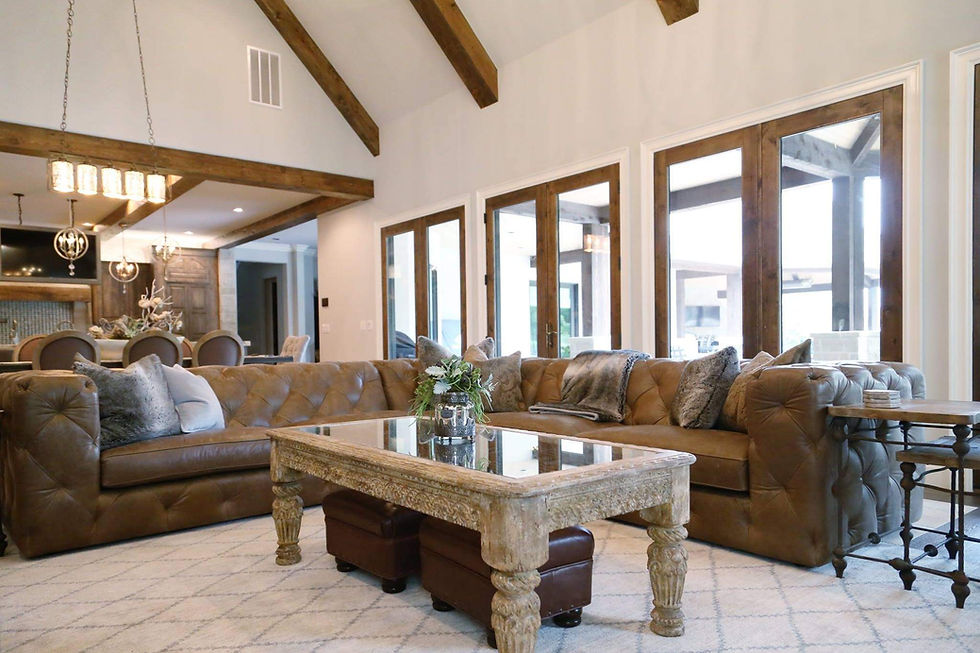
Flooring is one of the most defining elements of any interior space. It sets the foundation for the entire design direction, influencing how furniture, color palettes, lighting, and textures come together.
A well-chosen floor can elevate a room from basic to refined, while a poor choice can disrupt even the most carefully planned interiors. This is why many homeowners rely on an interior design firm in Tulsa, Oklahoma, to ensure their flooring decisions align perfectly with overall style and functionality.
Modern interior design goes far beyond selecting attractive materials. It requires a deep understanding of how flooring interacts with architectural structure, lifestyle needs, and long-term maintenance.
Whether it is hardwood, tile, laminate, or luxury vinyl, each material plays a unique role in shaping the mood and usability of a space.
In homes where style consistency matters, flooring is never treated as an isolated decision. Instead, it is integrated into the broader design vision from the earliest planning stages.
Why Flooring is the Foundation of Interior Style
Flooring is often the largest continuous surface in a home, which means it has a powerful visual and functional impact. It connects rooms, defines transitions, and creates harmony between different design elements.
A professional interior design firm in Tulsa, Oklahoma, evaluates flooring not just for appearance but also for durability, maintenance, lighting interaction, and spatial balance. These factors ensure that the chosen material enhances the home style rather than competing with it.
Understanding Style Before Selecting Materials
Every successful flooring decision begins with understanding the home’s overall design style. Whether a space is modern, traditional, rustic, minimalist, or transitional, the flooring must support that identity.
For example:
Modern interiors often favor sleek hardwood or polished concrete
Rustic homes lean toward textured wood or natural finishes
Minimalist designs prioritize light tones and seamless surfaces
Traditional spaces often use warm-toned hardwood or patterned tile
An experienced interior design firm in Tulsa, Oklahoma, ensures that flooring choices reflect the intended design language rather than following short-term trends that may not age well.
Matching Flooring with Color Palettes
Color coordination plays a major role in creating cohesive interiors. Flooring must complement wall colors, furniture tones, cabinetry, and decorative elements. A mismatch can make even high-quality materials feel visually disconnected.
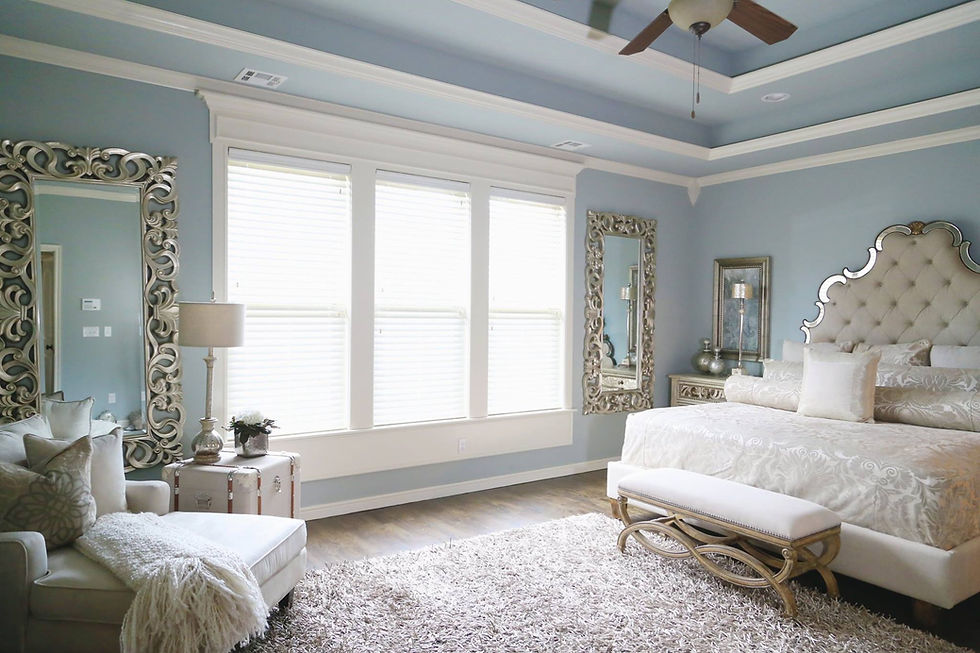
Design professionals carefully analyze undertones, contrast levels, and lighting conditions before finalizing flooring selections. For instance, cool-toned flooring may enhance contemporary spaces, while warm wood tones can create a more inviting and comfortable atmosphere.
Balancing Functionality and Aesthetic Appeal
While style is important, flooring must also perform well in daily life. High-traffic areas such as kitchens, hallways, and living rooms require durable materials that can withstand wear and tear. Bedrooms, on the other hand, may prioritize comfort and warmth.
Design experts evaluate lifestyle factors such as the following:
Household size
Presence of children or pets
Maintenance preferences
Moisture exposure in certain rooms
This balance between beauty and practicality is essential for long-term satisfaction. The role of an interior design firm in Tulsa, Oklahoma, is to ensure that flooring decisions are both visually appealing and functionally appropriate for each space.
Incorporating Texture and Material Contrast
Texture adds depth and character to interior spaces. Flooring is not just about color or material type; it is also about how surfaces feel and interact with light. Matte finishes, glossy tiles, natural grains, and patterned surfaces all contribute to the overall atmosphere of a home.
Designers often combine different textures to create visual interest without overwhelming the space. For example, smooth flooring may be paired with textured rugs or natural wood furniture to create balance.
A professional interior design firm understands how to layer textures effectively so that flooring enhances the design rather than dominating it.
Creating Cohesive Interiors Through Smart Flooring Choices
Flooring is more than a surface; it is a foundational design element that influences every aspect of interior styling. From color harmony and texture balance to functionality and spatial flow, every decision contributes to the overall feel of a home.
When chosen thoughtfully, flooring can elevate interiors, create emotional warmth, and establish a strong design identity. With professional planning and a clear understanding of style direction, homeowners can achieve spaces that feel both beautiful and intentional.
A well-coordinated approach ensures that every material works together seamlessly, and the result is a home that feels complete, cohesive, and visually balanced. This is the value that expert guidance from an interior design firm in Tulsa, Oklahoma, brings to modern flooring design.

Comments